
Extractions in Pierrefonds and the West Island
Understand when removal may be considered and how to prepare for aftercare.
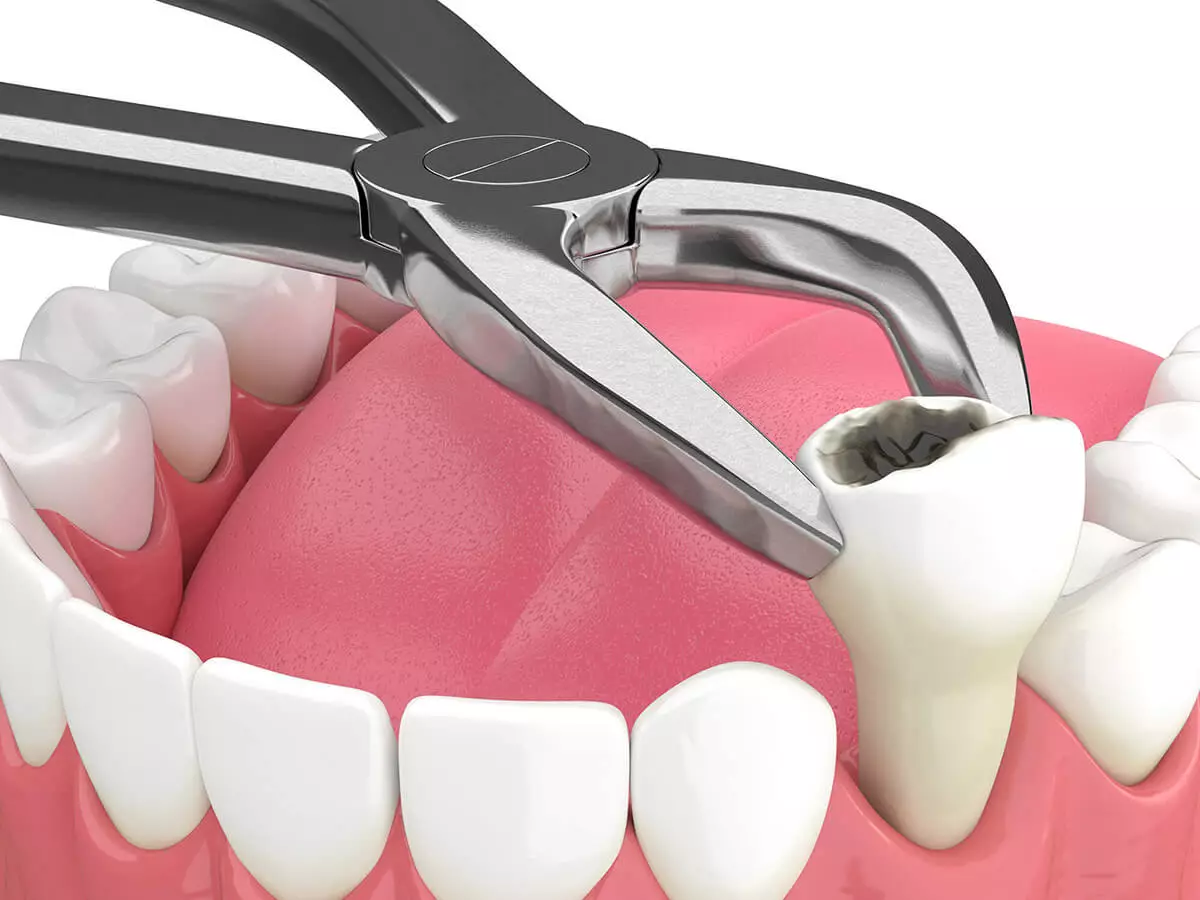
Understanding Tooth Extraction
Removal may be recommended when a tooth cannot reasonably be preserved or when another assessed need makes extraction appropriate. The dentist should explain the reasons and alternatives.
When Extraction Is Needed
This includes severe decay that cannot be repaired, advanced periodontal disease, orthodontic preparation, or baby teeth that won't exfoliate naturally.
Gentle, Comfortable Care
Discuss local anesthesia, your medical history and any concerns about discomfort.
Choosing the Approach
The tooth’s condition and position affect the approach and care arrangements.
Understand the procedure, personal risks and aftercare before making a decision.
What We Offer
Simple Extractions
Removal of an accessible tooth may be considered after reviewing its condition, roots and reasons for extraction.
Surgical Extractions
Some tooth positions or damage make removal more involved. An assessment determines the proposed approach and care arrangements.
Planning for Tooth Replacement
Discuss whether replacement is needed and whether additional preparation would affect the options or timing.
Emergency Removals
Call about severe pain or a damaged tooth. The clinic must confirm assessment availability and any proposed treatment.
When Removing a Tooth May Be Considered
The dentist assesses whether a tooth can be kept and explains the reasons for any removal recommendation.
- Severe, unmanageable tooth pain that worsens with chewing
- Jaw pain, stiffness, or difficulty opening your mouth fully
- Swollen, red gums around a specific tooth, or signs of an abscess
- A tooth that is severely broken or fractured below the gum line
What to Expect
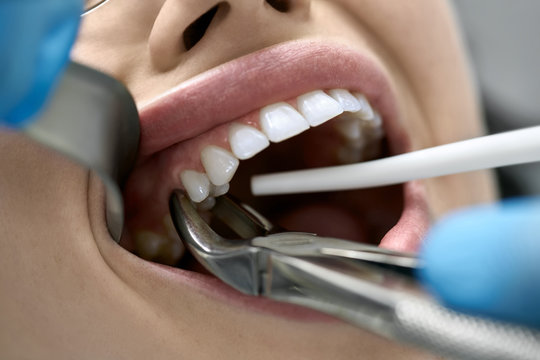
- Review why removal is recommended
- Discuss anesthesia and personal risks
- Understand aftercare and replacement options
The dentist explains why removal is proposed, the approach and pain-control plan. Tell the team if you feel discomfort during care. Afterward, follow your individual instructions for bleeding, cleaning, food and activity; healing time and risks vary.
Who Is This For?
For teeth affected by damage, infection or other problems that may make preservation unsuitable. The decision should consider the tooth and any replacement needs.
Ask whether root canal treatment could preserve the tooth before deciding on removal.
For a tooth at the back of the mouth, read about wisdom tooth assessment and removal.
If replacement is appropriate after tooth loss, dental implants are one option to discuss with the dentist.
Understand the Decision
Review the reasons for removal and any realistic alternatives.
Prepare for Care
Discuss anesthesia, medical information and personal risks before treatment.
Aftercare Guidance
Follow the instructions given and know when to contact the clinic.
Frequently Asked Questions
Ready to Schedule Your Visit?
Book your appointment today and experience the CANAME difference.